All businesses depend on natural resources for core operations, from energy and materials to climate stability. For SHEIN, our use of raw materials such as cotton, wool, and cellulose from trees has an impact on the natural planet, ecosystems, and biodiversity. We recognise that, beyond managing the impact of our own operations, we should also contribute to projects that preserve natural habitats and promote sustainable practices and ecosystems.
Our work across the Planet and Process pillars of our evoluSHEIN roadmap supports our ambition for the preservation of nature by:
•Avoiding and/or minimising our impact on biodiversity and natural ecosystems.
•Supporting industry transformation to reduce impacts and dependencies on nature.
Ensuring Areas of high conservation value are not harmed

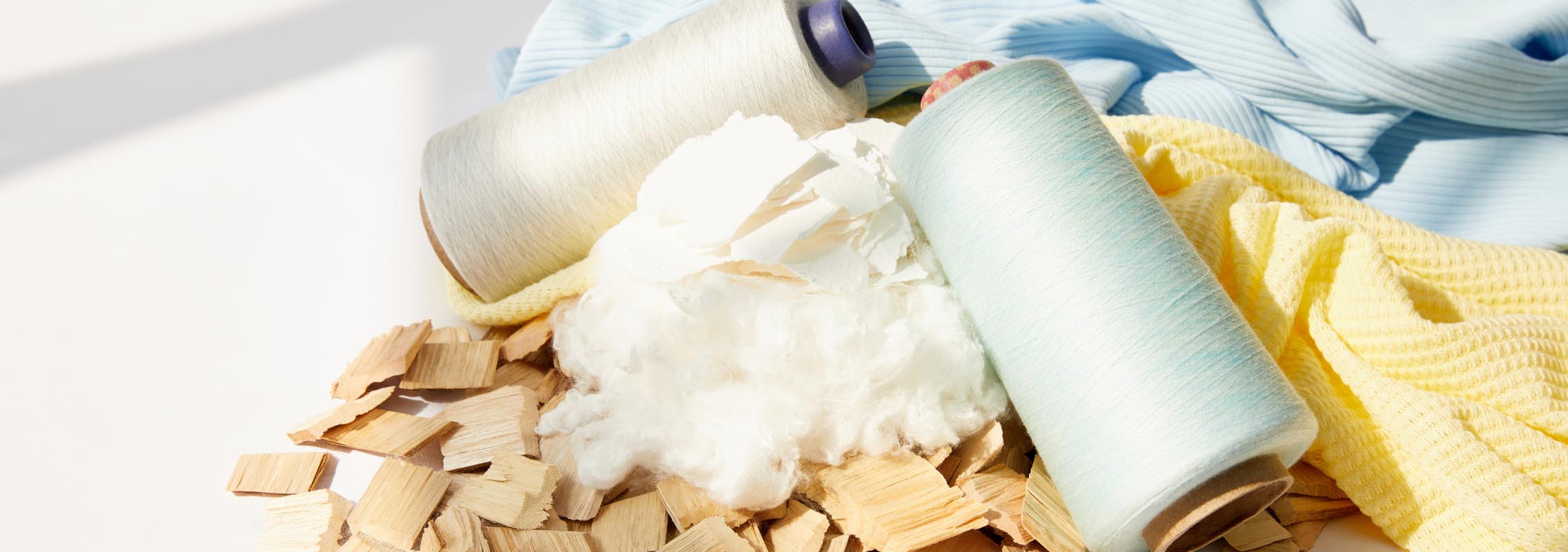
Forests play a key role in supporting a rich variety of rare species and native plant communities, as well as the livelihoods of many communities. We are CanopyStyle and Pack4Good signatories, collaborating with Canopy to address the fashion industry’s role in deforestation and environmental degradation. In making this commitment, we seek to transition our sourcing of MMCFs and paper-based packaging for SHEIN-branded products away from Ancient and Endangered Forests by 2025, and to support the acceleration of next-generation fibre solutions.

“As a leading company in the fashion industry, we are excited to be working with SHEIN on our CanopyStyle initiative. SHEIN’s agile business model and motivated team make them excellent partners who are able to take swift and meaningful action to address critical sustainability issues.”
Nicole Rycroft, Canopy Founder and Executive Director
Promoting Animal Welfare
Although products made from animal-based materials (wool, leather, down, etc.) only represent a small proportion of our offering, we still recognise the role we have to play in upholding animal rights in the supply chain. Our Animal Welfare Policy aligns with the five freedoms set out by the World Organisation for Animal Health (founded as OIE) in their Animal Health Codes and the Farm Animal Welfare Committee. We recognise that collaborative action and partnerships are required across the value chain, and are working on ensuring our suppliers and Marketplace sellers act consistently with our Animal Policy which provides that they:
•Not source materials from threatened or endangered species consistent with the animal species protected by the Convention on International Trade in Endangered Species and listed under any of the threatened categories (i.e. Critically Endangered, Endangered, or Vulnerable) under the International Union for the Conservation of Nature.
Not use, sell, or source materials from any material derived from “exotic” animals, including wild, rare, or not commonly domesticated animals.
•Not sell live or preserved wild animals, including taxidermy.
•Not sell animal traps, baits, and deterrents for the hunting of certain wild animals.
•Not engage in animal testing of cosmetic products.
•Cooperate with us to improve animal traceability from the animal’s origin to the final product.
REDUCING OUR WATER FOOTPRINT
SHEIN is committed to the responsible use and management of water resources across our operations and supply chain. We recognise that water ecosystems support a significant portion of biological diversity; in the fashion industry, water resources are consumed throughout the life cycle of a garment, from the cultivation of raw materials such as cotton, to the processing, dyeing, and treating of fabrics, to the washing and care of garments.
We published a company-wide Water Stewardship Policy to gauge and implement water management improvement practices. This policy sets out key principles and requirements for SHEIN-operated facilities, as well as the expectations for our value chain partners, along with guidelines for responsible water usage and management. We also partner with our suppliers to identify and implement further water-saving measures, such as optimising cooling water collection and reuse systems, switching to high-efficiency water pumps, and improving water inlet controls for wool washing machines. In 2024, through these programmes, we helped 83 suppliers implement measures that are estimated to have saved approximately 469,600 tonnes of water and reduced 355,500 tonnes of wastewater generated annually. SHEIN also promotes the use of water-saving technologies such as digital thermal transfer printing and Cool Transfer Denim Printing across our supply chain.