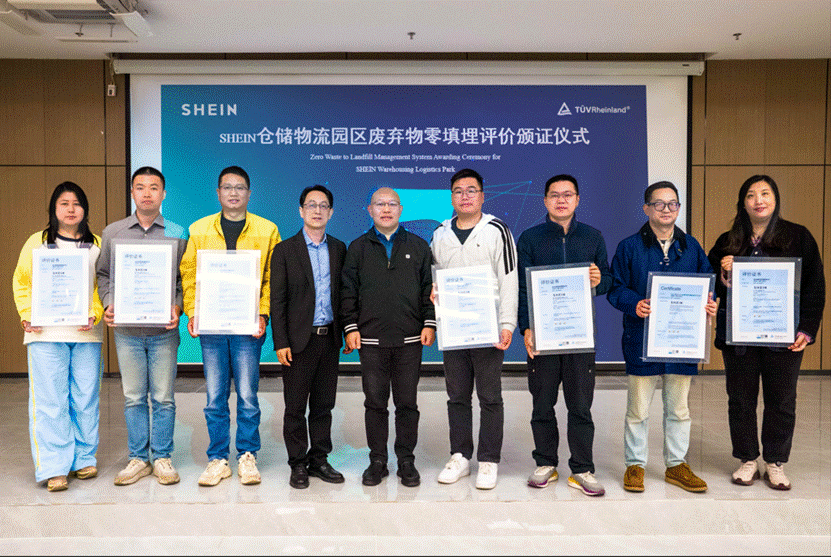
SHEIN continues to strengthen the foundations of its supplier ecosystem through the Supplier Community Empowerment Program (SCEP), a multi-year initiative launched in 2023 to support manufacturing capability development, improve working environments, and extend support to workers and their families across SHEIN’s supplier network.
Since the launch of the SCEP, SHEIN has deployed more than US$42 million as of the end of 2025, supporting supplier facility upgrades, the development of innovative manufacturing solutions, and community services designed to address the needs of workers and their families. The SCEP is anchored on SHEIN’s belief in combining enforcement with empowerment; SHEIN has created a framework where suppliers are not only held accountable for compliance but also provided with solutions and tools to improve capabilities aimed at supporting their workers and production needs.
Upgrading and Modernising Manufacturing Facilities
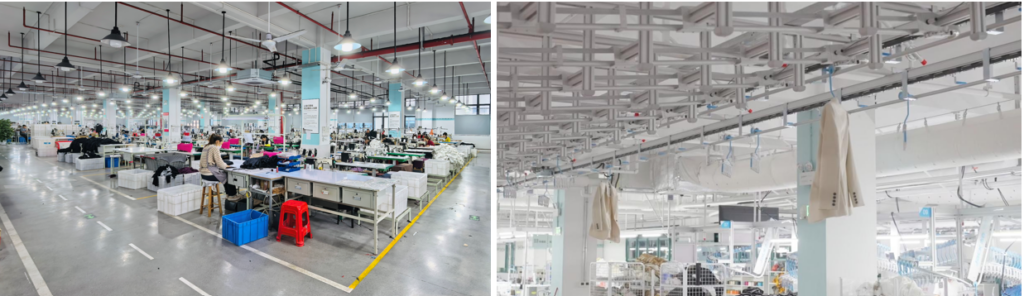
Through the programme, more than 200 supplier factories have undergone renovation and modernisation, collectively spanning approximately 518,000 square metres, directly benefiting approximately 33,600 workers across SHEIN’s supplier network. Upgraded sites are designed in accordance with SHEIN’s design template for model factory standards, incorporating optimised layouts, streamlined material flows and configurable production spaces.
Advancing Manufacturing Innovation and Technical Capabilities
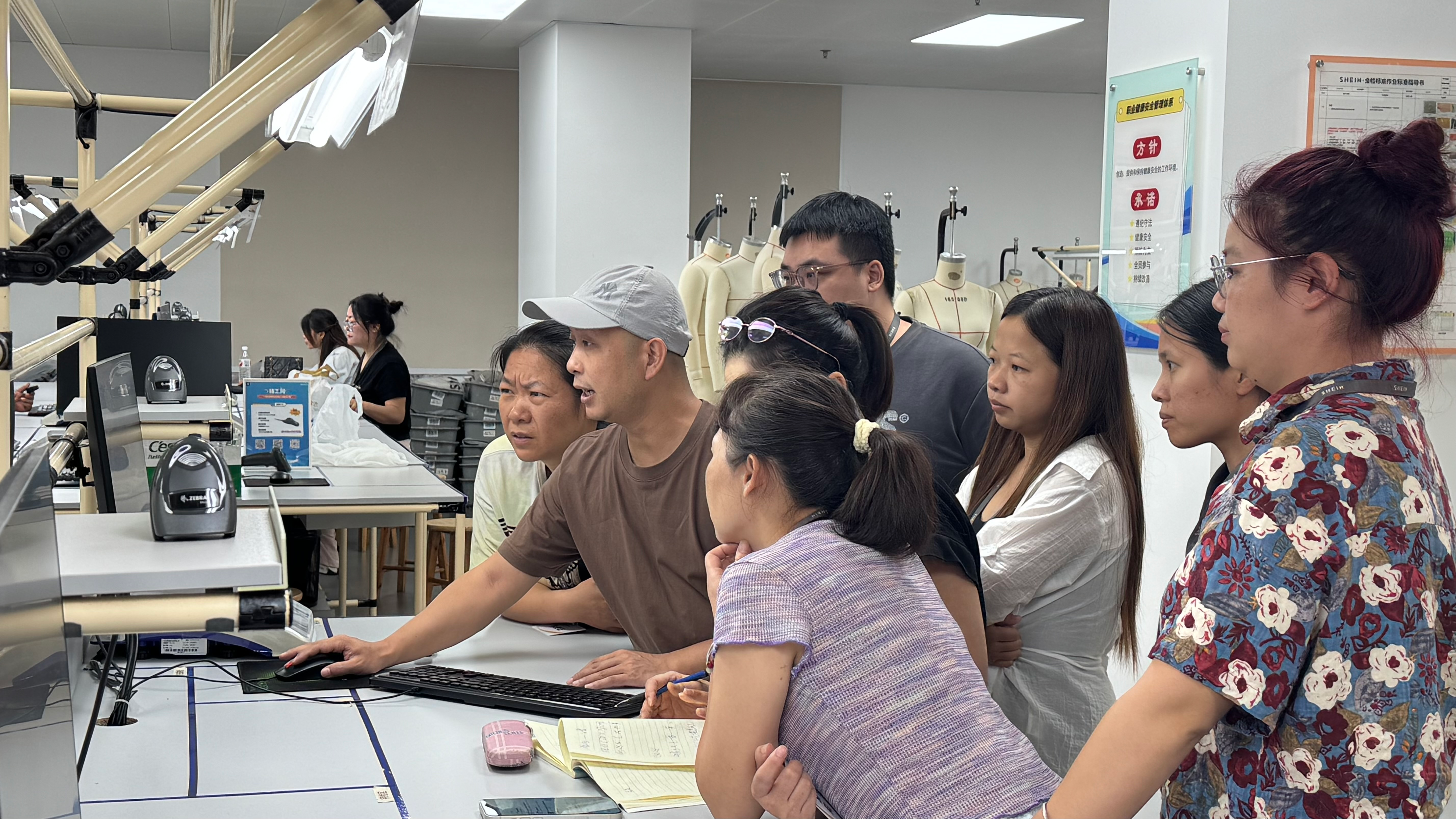
One of the pillars of the SCEP programme is the provision of services and support from the Centre of Innovation for Garment Manufacturing (CIGM), which serves as SHEIN’s dedicated research, development and training hub for modern garment manufacturing. The 58,450-square-metre facility focuses on developing new tools, lean production applications, and technology-enabled systems that can be adopted across supplier sites.
In 2025, the CIGM conducted around 300 vocational and technical training and certification sessions, reaching more than 13,000 participants. These programmes covered operational processes, quality management and innovative garment manufacturing technologies, with a mix of training-only, combined training-and-certification, and certification-focused courses.
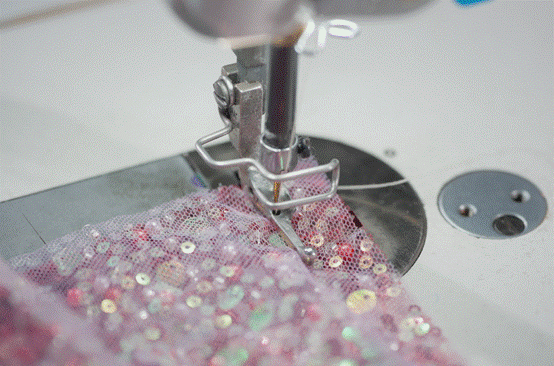
Complementing these efforts, the CIGM team developed 10 new production tools to streamline sewing processes and improve the handling of specialised garment types, including the Beaded Embroidery Seam Presser Foot, which gently moves beads aside allowing the sewing needle to move seamlessly between the beads, thereby making production more efficient and reducing damage to the garment during the manufacturing process. This brings the total number of tools introduced to date to more than 180. Together, these initiatives help suppliers improve efficiency while enabling workers to apply new innovative tools and improved technical skills in daily operations.
Supporting Supply Chain Communities and Worker Wellbeing
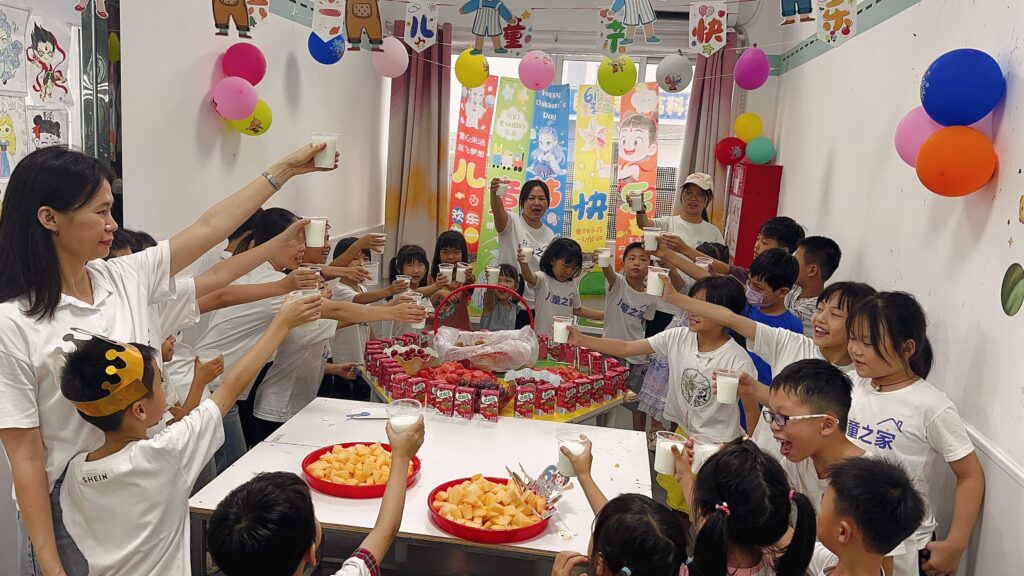
SHEIN recognises that supplier partnerships extend beyond the production floor, and that supporting suppliers’ workers holistically contributes to stronger, more resilient supply chains. SCEP therefore offers solutions to suppliers that address the family needs of their workers, and their wellbeing and community stability, through two worker-centred programmes: the Spotlight programme and childcare facilities.
Financial Assistance Through the Spotlight Programme
Introduced in 2021, the Spotlight programme provides means-tested financial support to suppliers’ workers experiencing temporary hardship, helping cover essential costs including school fees and medical treatments. In 2025, more than 37,000 workers were able to access the scheme through a QR-enabled digital application process. Workers simply need to scan a QR code, which are placed at prominent locations around the participating factories and submit their application via their mobile phones. By the end of the year, the Spotlight programme had disbursed over US$800,000 in grants, providing aid to 816 families.
Childcare Services for Working Families of SHEIN Suppliers
Supplier Case Study: Strengthening Manufacturing Capabilities Through Facility Upgrades
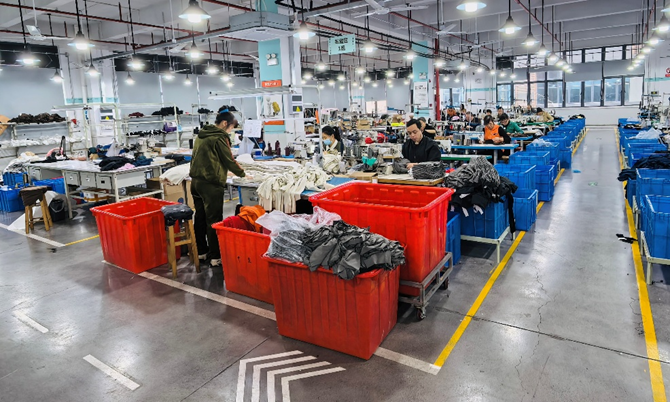
For several years, factory owner Pan Yu had wanted to improve his factory’s production layout and management but found the cost and complexity of change difficult to manage. “I had heard that factories of a similar size needed to invest a lot of money just to see results from standardised production and management,” he said. In 2024, Pan Yu was one of the first suppliers to work with SHEIN on a full upgrade of his factory, aligned with SHEIN’s template for standardised factory layout.
The renovation of the 5,000-square-metre facility was supported end-to-end by SHEIN, from layout planning to construction oversight, allowing Pan Yu’s team to focus on day-to-day operations. SHEIN provided subsidies covering more than 40% of renovation costs, helping to lower upfront investment barriers. According to the factory’s production lead, the upgraded layout introduced clearer functional zones and a more efficient production flow, reducing unnecessary movement and waste. In 2025, Pan Yu also invested in automated equipment as part of ongoing production upgrades, introducing an automated bagging machine as the factory’s first automation investment. With SHEIN’s support, the factory identified a suitable equipment manufacturer and secured the machinery at a preferential price, helping to reduce costs incurred through trial-and-error.
Supplier Case Study: Enabling Product Differentiation Through Production Tool Upgrades
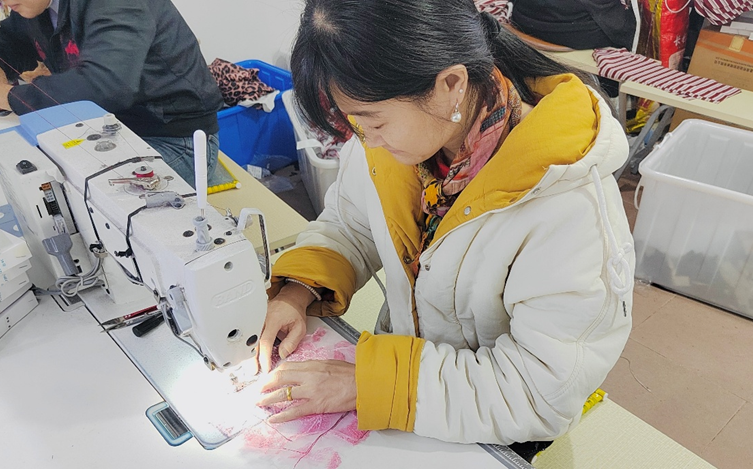
Guangzhou-based factory owner Huang Cheng has built his business focusing on garments that use specialised fabrics and techniques to meet more differentiated consumer preferences. With support from SHEIN’s Centre of Innovation for Garment Manufacturing (CIGM), he began investing in new production tools developed by the CIGM team. Starting from July 2025, he has adopted 11 types of tools to date — three of which have been repurchased.
These upgrades have enabled the factory to support more technically demanding designs, including a popular women’s garment developed in 2022 using herringbone pleated fabric, a folded textured material that requires higher manufacturing precision.
Producing garments with specialised materials and craftsmanship typically requires longer production times and advanced technical skills. Prior to introducing new tools, completed garments often needed to be reworked by more experienced workers, adding pressure to Huang Cheng and his production teams and extending manufacturing timelines.
By adopting the new production tools developed by the CIGM, the factory was able to shorten the production time per item by more than 30%, supporting more informed investment decisions, lowering trial-and-error costs, and enabling the factory to deliver specialised products more consistently.